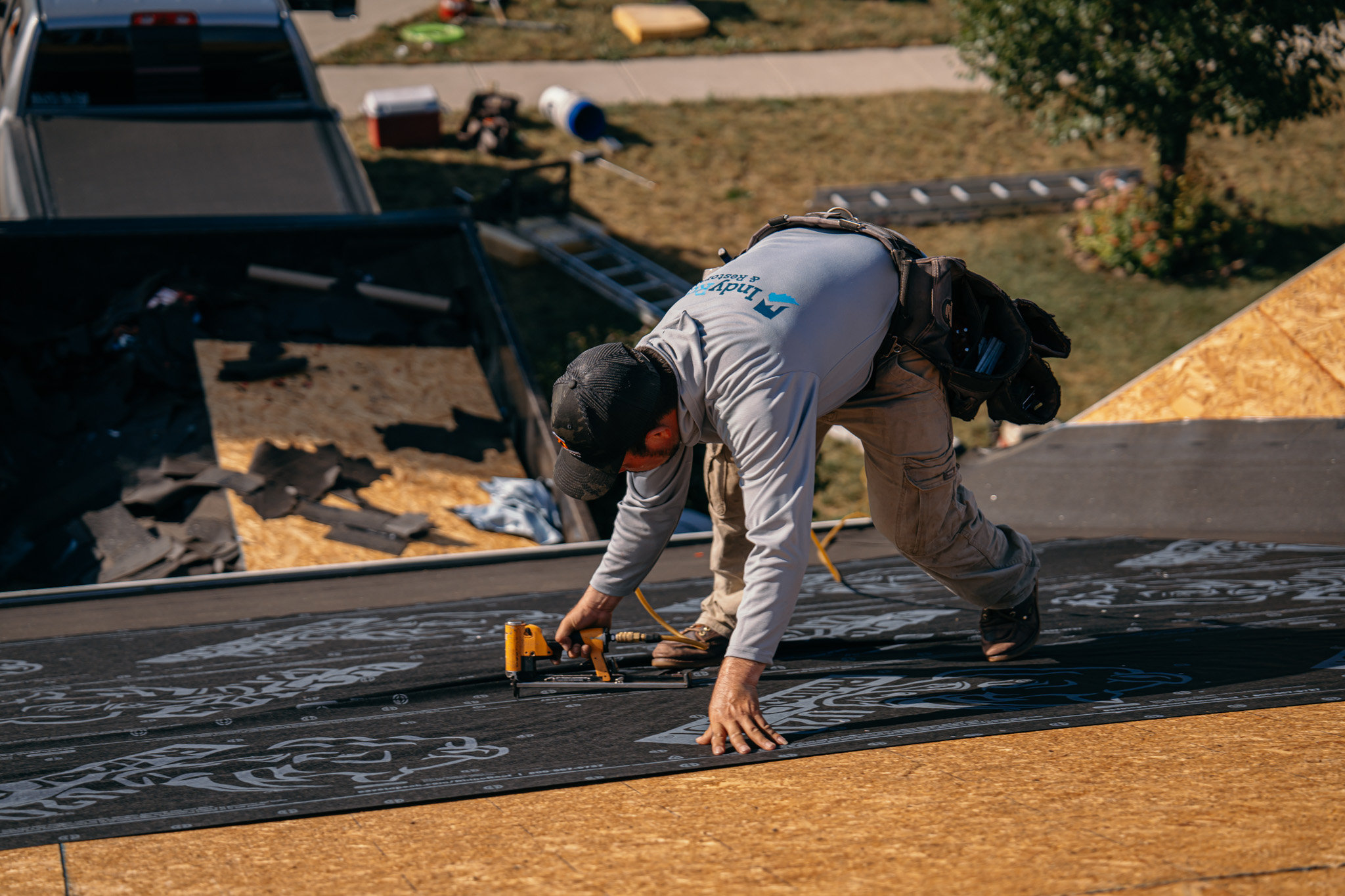
Ice Dams and Metal Roofs
Ice dams are a common winter roofing concern, and understanding how metal relates to them helps a Hickory Ridge Village homeowner. Here is what to know.
What Ice Dams Are
Ice dams are ridges of ice that form at a roof's edge when snow melts higher on the roof, runs down, and refreezes at the colder eaves, and they can cause water to back up under the roof and leak. Ice dams are a problematic winter phenomenon on many roofs. Understanding what they are helps in seeing how metal relates to them. They form from melt and refreeze at the edge. They can cause leaks.
How Metal Helps
A metal roof's snow shedding and smooth surface can help reduce the conditions that lead to ice dams, since snow that slides off does not sit, melt, and refreeze at the edge the way held snow can. By clearing snow more readily, metal limits the melt and refreeze cycle. So metal can help against ice dams. Its shedding works in its favor. It reduces the ice dam conditions. The shedding helps.
Insulation and Ventilation Still Matter
Ice dams are also driven by heat escaping into the attic and warming the roof, so proper attic insulation and ventilation remain important for preventing them, regardless of roofing material. A well insulated, ventilated attic keeps the roof cold and limits the melting that feeds ice dams. So insulation and ventilation matter alongside metal's shedding. They are key to ice dam prevention. The attic's condition is important. It works with the roof.
A Combined Approach
The best protection against ice dams combines metal's snow shedding with proper insulation and ventilation, addressing both the snow on the roof and the heat that causes melting. Metal helps, and a sound attic helps, and together they offer strong protection. The combined approach is most effective against ice dams. Both elements contribute. They work together for protection. The combination is key.
Ice and Water Protection
Quality installation can include ice and water protection at vulnerable areas like eaves, adding a barrier against any water that ice dams might cause to back up. This protective measure is part of building a metal roof to handle winter. Including it adds defense at the edges. It guards against ice dam water. It is part of a quality winter ready installation. It adds protection.
Ice Dams, in Short
Ice dams are ridges of ice at the roof's edge that can cause leaks, and a metal roof's snow shedding can help reduce the conditions that cause them, though proper insulation and ventilation remain important, with ice and water protection at the eaves adding defense.
One point worth making clear for Hickory Ridge Village homeowners is that a metal roof's behavior in snow is one of its genuine winter strengths, though it comes with a single consideration that is easily managed. The strength is that metal sheds snow remarkably well. Its surface is smooth and hard, so rather than clinging and accumulating the way snow does on rougher roofing materials, snow tends to slide off a metal roof, a tendency that is helped along by the roof's slope, with steeper pitches shedding more readily, and by metal's habit of warming in the sun, which loosens the snow's grip. This snow shedding brings several real benefits through a snowy winter. It reduces the amount of snow that accumulates on the roof and therefore the weight, the snow load, that the roof structure has to bear, which matters because heavy accumulated snow can place significant strain on a roof. It also helps reduce the conditions that lead to ice dams, those troublesome ridges of ice that form at a roof's edge when snow melts higher up, runs down, and refreezes at the colder eaves, because snow that has slid off cannot sit there going through the melt and refreeze cycle that feeds an ice dam. And it simply keeps the roof clearer through the winter. The single consideration that comes with all this shedding is safety, because snow can slide off a metal roof suddenly and in a large mass, which could be hazardous or damaging if it lands on a walkway, an entry, a parked vehicle, or landscaping below. That is exactly what snow guards are for, and they resolve the concern neatly by controlling where and how the snow sheds.
One point worth making clear for Hickory Ridge Village homeowners is that a metal roof's behavior in snow is one of its genuine winter strengths, though it comes with a single consideration that is easily managed. The strength is that metal sheds snow remarkably well. Its surface is smooth and hard, so rather than clinging and accumulating the way snow does on rougher roofing materials, snow tends to slide off a metal roof, a tendency that is helped along by the roof's slope, with steeper pitches shedding more readily, and by metal's habit of warming in the sun, which loosens the snow's grip. This snow shedding brings several real benefits through a snowy winter. It reduces the amount of snow that accumulates on the roof and therefore the weight, the snow load, that the roof structure has to bear, which matters because heavy accumulated snow can place significant strain on a roof. It also helps reduce the conditions that lead to ice dams, those troublesome ridges of ice that form at a roof's edge when snow melts higher up, runs down, and refreezes at the colder eaves, because snow that has slid off cannot sit there going through the melt and refreeze cycle that feeds an ice dam. And it simply keeps the roof clearer through the winter. The single consideration that comes with all this shedding is safety, because snow can slide off a metal roof suddenly and in a large mass, which could be hazardous or damaging if it lands on a walkway, an entry, a parked vehicle, or landscaping below. That is exactly what snow guards are for, and they resolve the concern neatly by controlling where and how the snow sheds.
It also helps Hickory Ridge Village homeowners to understand that getting the full benefit of a metal roof in winter, and protecting against the winter problems that can affect any roof, depends on a combination of the roof's own snow shedding qualities and a properly built roof assembly. The snow shedding is inherent to metal and is a real advantage, but ice dams in particular are worth understanding because they are driven by more than just the snow on the roof. An ice dam forms when the upper part of a roof is warm enough to melt the snow sitting on it while the eaves at the edge remain below freezing, so the meltwater runs down and refreezes into a ridge of ice at the edge, behind which water can pool and back up under the roof. The warmth that drives this melting usually comes from heat escaping out of the home into the attic and warming the underside of the roof, which is why proper attic insulation and ventilation are genuinely important for preventing ice dams on any roof, including metal, since they keep the attic and the roof deck cold so the snow does not melt unevenly in the first place. A metal roof helps by shedding snow so it does not sit and refreeze, but the insulation and ventilation address the root cause, and a quality installation can also include ice and water protection at vulnerable areas like the eaves as an added barrier. So the most effective winter protection combines metal's snow shedding with a sound, well insulated, well ventilated attic and proper edge protection, and where the roof sheds snow onto areas that are used, snow guards to manage the shedding safely. A contractor experienced in metal roofing for winter climates addresses all of these together.
Protect Against Ice Dams
Hickory Ridge Village Metal Roofing installs metal roofing built to handle winter, with attention to ice dam protection, across Hickory Ridge Village and Johnson County. Call (765) 676-3491 for a free consultation on a metal roof that helps against ice dams.