What EPDM roofing is
EPDM stands for ethylene propylene diene monomer, a type of synthetic rubber, and understanding what that means in practical terms helps a Hickory Ridge Village owner grasp why the membrane behaves as it does. At its core, EPDM is a single ply rubber membrane with distinctive characteristics.
A single ply rubber membrane
EPDM is a single layer of synthetic rubber membrane, one sheet of durable, flexible material rather than the multiple layers of some other systems. The rubber composition gives EPDM its signature flexibility and resilience, allowing it to expand, contract, and flex with temperature changes without cracking. For a roof, this rubber, single ply construction makes EPDM durable and adaptable, and it is a major reason the membrane has performed dependably across decades of real world use on commercial buildings.
The black surface
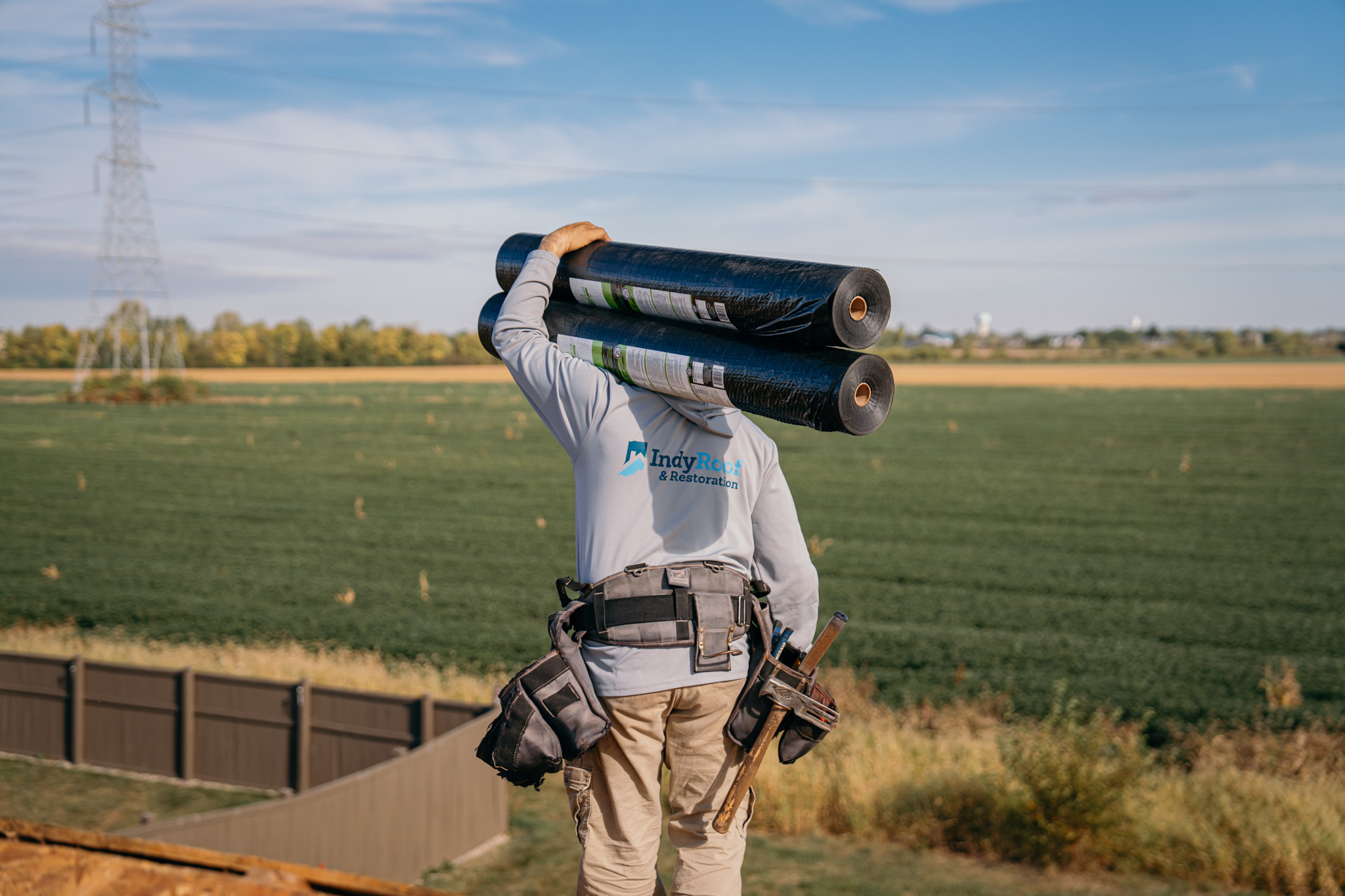
EPDM is traditionally black, a color that comes from carbon black in the rubber, which contributes to its UV resistance and durability. The black surface absorbs heat rather than reflecting it, which can raise cooling costs in summer but provides a mild benefit in heating season. White or coated EPDM is available for reflectivity at a higher cost. For a Johnson County building, the standard black surface is durable and economical, with the heat absorption being the main tradeoff to consider against reflective membranes.
Large sheets and fewer seams
EPDM comes in large sheets, which means a roof can be covered with fewer seams than some other systems require. Since seams are where roofs tend to leak, fewer seams is an advantage, reducing the number of potential weak points. The large sheet nature also makes EPDM efficient to install on big, open roofs. For a Hickory Ridge Village building, this characteristic contributes to EPDM's reliability and to its suitability for large, simple roofs where the sheets lay out efficiently.
A proven, durable membrane
Put together, EPDM is a single ply, flexible rubber membrane in large sheets with a long, proven track record, which explains its enduring use. It was among the first modern single ply systems and has demonstrated its durability over decades. For a owner, understanding these basic characteristics, the rubber composition, the black surface, and the large sheets, is the foundation for evaluating whether EPDM fits their building.
Learn whether EPDM fits your building
The broader point about understanding EPDM is that knowing what a membrane is and how it works lets an owner make a roofing decision rather than simply accept what is there. A Hickory Ridge Village owner who understands EPDM's rubber composition, cold weather flexibility, lifespan, and cost can judge whether it fits the building, ask the right questions, and recognize a quality installation from a rushed one. That understanding turns a proven but sometimes overlooked membrane into a choice the owner can evaluate on its merits.
Finally, whether EPDM is the right choice comes down to the building, since a long track record does not make it best for every roof. A owner who weighs EPDM's strengths, proven durability and cold weather flexibility, against the building's actual priorities, and compares it honestly to reflective or chemical resistant alternatives, makes a better decision than one who picks by reputation alone. The membrane that fits the building is the right one, and understanding EPDM is what lets an owner judge whether the rubber roof is that membrane.
It also helps to remember that with EPDM, the adhesive seams are central to the outcome, because the membrane's proven durability depends on those seams being properly prepared and then monitored as the roof ages. A Johnson County owner who prioritizes a skilled installer and keeps an eye on the seams through maintenance gets the full proven life EPDM can offer, while one who neglects them may see the rubber's potential cut short. Understanding the role of the seams is among the most useful things an owner can take from learning about EPDM.
The broader point about understanding EPDM is that knowing what a membrane is and how it works lets an owner make a roofing decision rather than simply accept what is there. A Hickory Ridge Village owner who understands EPDM's rubber composition, cold weather flexibility, lifespan, and cost can judge whether it fits the building, ask the right questions, and recognize a quality installation from a rushed one. That understanding turns a proven but sometimes overlooked membrane into a choice the owner can evaluate on its merits.
Finally, whether EPDM is the right choice comes down to the building, since a long track record does not make it best for every roof. A owner who weighs EPDM's strengths, proven durability and cold weather flexibility, against the building's actual priorities, and compares it honestly to reflective or chemical resistant alternatives, makes a better decision than one who picks by reputation alone. The membrane that fits the building is the right one, and understanding EPDM is what lets an owner judge whether the rubber roof is that membrane.
It also helps to remember that with EPDM, the adhesive seams are central to the outcome, because the membrane's proven durability depends on those seams being properly prepared and then monitored as the roof ages. A Johnson County owner who prioritizes a skilled installer and keeps an eye on the seams through maintenance gets the full proven life EPDM can offer, while one who neglects them may see the rubber's potential cut short. Understanding the role of the seams is among the most useful things an owner can take from learning about EPDM.
The broader point about understanding EPDM is that knowing what a membrane is and how it works lets an owner make a roofing decision rather than simply accept what is there. A Hickory Ridge Village owner who understands EPDM's rubber composition, cold weather flexibility, lifespan, and cost can judge whether it fits the building, ask the right questions, and recognize a quality installation from a rushed one. That understanding turns a proven but sometimes overlooked membrane into a choice the owner can evaluate on its merits.
Finally, whether EPDM is the right choice comes down to the building, since a long track record does not make it best for every roof. A owner who weighs EPDM's strengths, proven durability and cold weather flexibility, against the building's actual priorities, and compares it honestly to reflective or chemical resistant alternatives, makes a better decision than one who picks by reputation alone. The membrane that fits the building is the right one, and understanding EPDM is what lets an owner judge whether the rubber roof is that membrane.
Hickory Ridge Village Metal Roofing helps Hickory Ridge Village owners understand EPDM and evaluate whether it suits their building's roof. Call {phone} to learn whether EPDM is the right membrane for your building. Understanding the membrane is the first step toward a smart roofing decision rather than a guess.